
Even though on the calendar it marks the end of fall and beginning of winter, the winter solstice is always the beginning of a new year to me. Plants and animals recognize it… the beginning of lengthening days. More sunlight means more energy to harness for growth, even if our coldest weather typically happens in January and February.
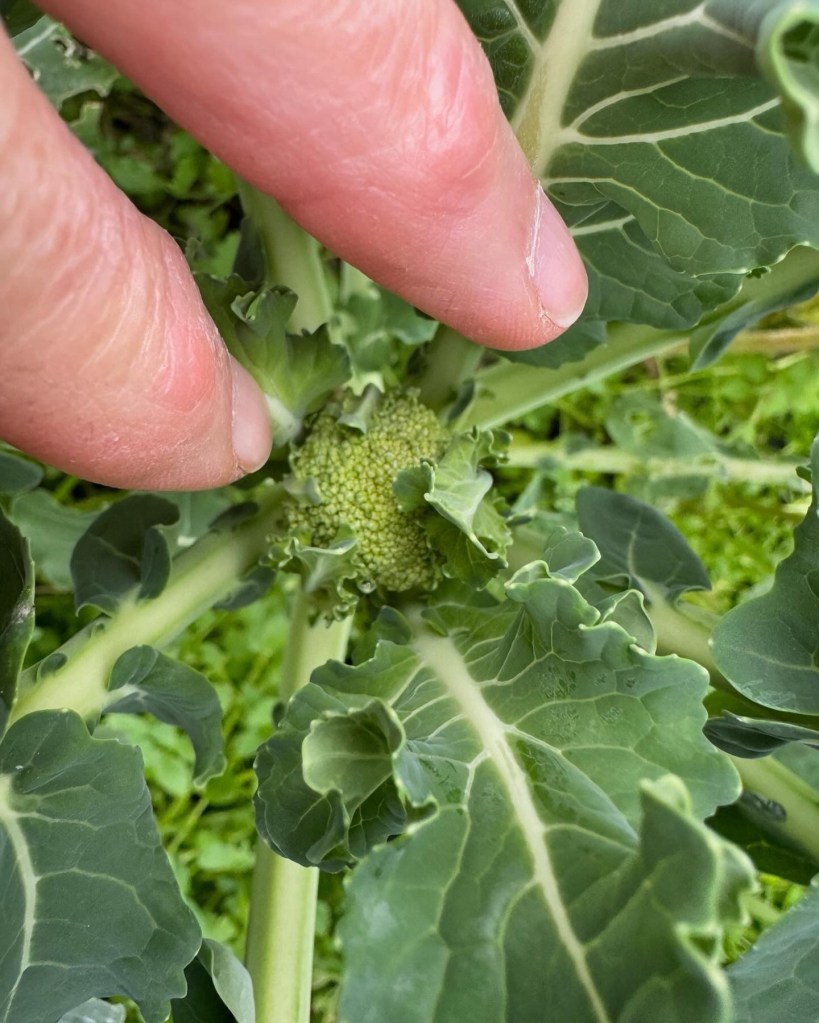
But it means our days can’t get any shorter, and it’s time to start planting soon. In the woods, the hazelnut and alder catkins are hanging from branches like ornaments, waiting for that signal to pop open. Amphibians will be making their way to pools and streams soon to lay their eggs. AND, it’s time to start planting vegetables in the greenhouse.
Indeed, in the coming weeks, I will be ordering the seeds of plants that will feed us for all of 2025. I’ll also be planting seedlings on heated tables. After all, the first crops are only a couple months away… broccoli, beets, zucchini, lettuce, and peas that will be planted under cover in the big greenhouses for the first weeks of CSA. But to have them ready to eat in May, they need to be started in February.
Even though it’s cold and wet outside, it won’t be that way forever. Before we know it, the cutflower garden will be blooming, and our bellies will be full of the freshest, most local produce possible.
There are just 17 spaces remaining in 2025 CSA, and I hope that you will be joining us for a delicious and beautiful season. I’ve included the link to the online store here. Your payment now will help me order seeds, as well as pay the mortgage and utilities through the winter.
I wish only the best for you and your family in the coming year, whichever days you celebrate.
And now, about the Winter Solstice:
The New Year is upon us at last. I’m not talking about January 1, the modern new year. I mean the original new year—the new year of ancient times and farmers. The Winter Solstice. This day of the solar year with the longest night, and the shortest daylength has historically been very significant with all cultures in the northern hemisphere, especially farming cultures. All living things (aside from modern man with artificial light) base their life processes on the amount of natural light in each given day. For example: Chickens have a 21-hour egg-laying cycle. They create a new egg every 21 hours, and as long as the egg is completed during daylight hours, the hen will expel the egg. If the egg is formed in hours of darkness, she keeps it safe inside her until daylight returns. (During the summer when our days are about 19 hours long, a hen will lay an egg nearly every day, but in the winter when our days are only 8 hours long, that same hen will lay an egg only every three or four days. Commercial hens are kept with lights on 24 hours a day, to maximize production. Daylength also triggers the heat cycles of mammals, especially grazers like goats & cows. Their biological clocks time things just right, so that babies are born when mom’s food is abundant.
As far as plants are concerned, temperature is less of an issue than daylength. Plants are only able to perform photosynthesis with light. Since photosynthesis is what gives plants energy for growth, most plants stop growing when the daylength gets down to about 10 or so hours. Active plant growth doesn’t start up again until thelengthening days of spring arrive. Then, the plants wake from their winter dormancy and sprout new leaves to soak up all that sunlight and the chickens start pumping out eggs like crazy. In farming terms, the solstice is a much more meaningful day than January 1, Julius Caesar’s new year. But he wasn’t a farmer, he was a politician. The day after the solstice, we can look forward to more eggs, more greens, and it means that soon we won’t have to do our chores in the dark. It’s time to order seeds for next year, and in a few weeks it will be time to start transplants. Spring is just around the corner! If you haven’t seen them yet, be sure and drive by the Carpinito fields on West Valley Highway. There are Trumpeter Swans. Quite a few big, white goose-looking birds and a few greyish juveniles. There have also been some in his field at 277th St. and Central Ave. It pains me to think of all the chemicals they’re ingesting when they clean up the old corn and pumpkin patches, but hopefully it’s not doing them too much harm as they won’t be here very long before they move on.
The day after the solstice, we can look forward to more eggs, more greens, and it means that soon we won’t have to do our chores in the dark. It’s time to order seeds for next year, and in a few weeks it will be time to start transplants.
Spring is just around the corner!

 Whistling Train Farm